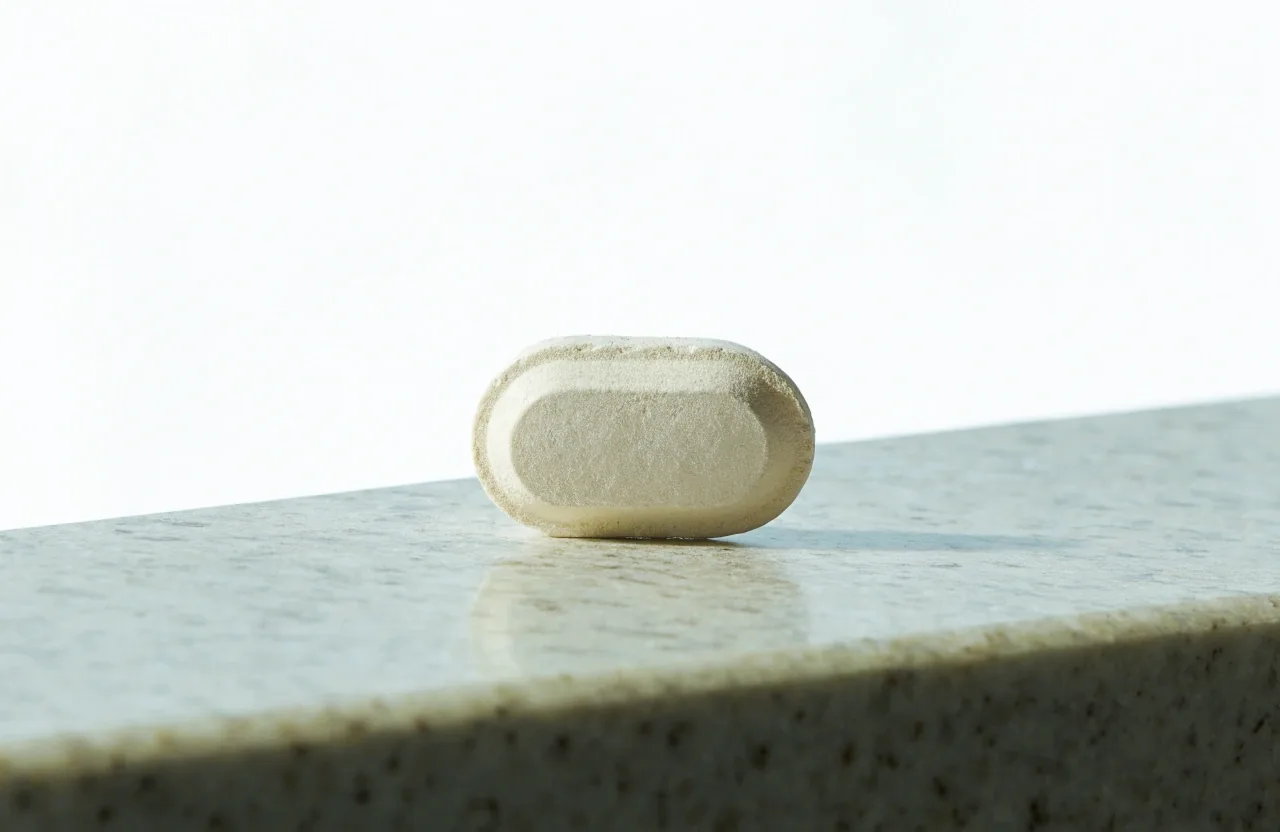
Standard daily multi
The general men's tablet: broad vitamin and mineral coverage for a man eating a varied diet who wants one simple daily base.
 AltaCaliber
Men's supplement reviews
AltaCaliber
Men's supplement reviews

Age & lifestyle formulas
A 30-year-old training five times a week and a 58-year-old managing blood pressure are not looking for the same bottle. This page helps you locate yourself on that map before you compare ingredients.
Age-specific formulas exist for a reason, but the label alone does not tell you whether you need one. A 50+ multivitamin, like GNC's Mega Men 50 Plus, is generally built around broader nutrient coverage and a lighter iron profile than a standard men's multi. That shift reflects changing needs rather than a sudden break at a birthday.
If you are 45 and active with a varied diet, a standard men's multi may still fit. If you are 52 and eating less red meat, the broader coverage becomes more relevant. Use age as a filter, then check the panel.
Supplement ranges rarely start and stop at one bottle. GNC's men's lineup runs from sport-oriented formulas to the Mega Men 50 Plus, with energy and metabolism options in between, and each one is aimed at a different point in a man's life. Four families cover most of the shelf before you read a single panel.
The general men's tablet: broad vitamin and mineral coverage for a man eating a varied diet who wants one simple daily base.
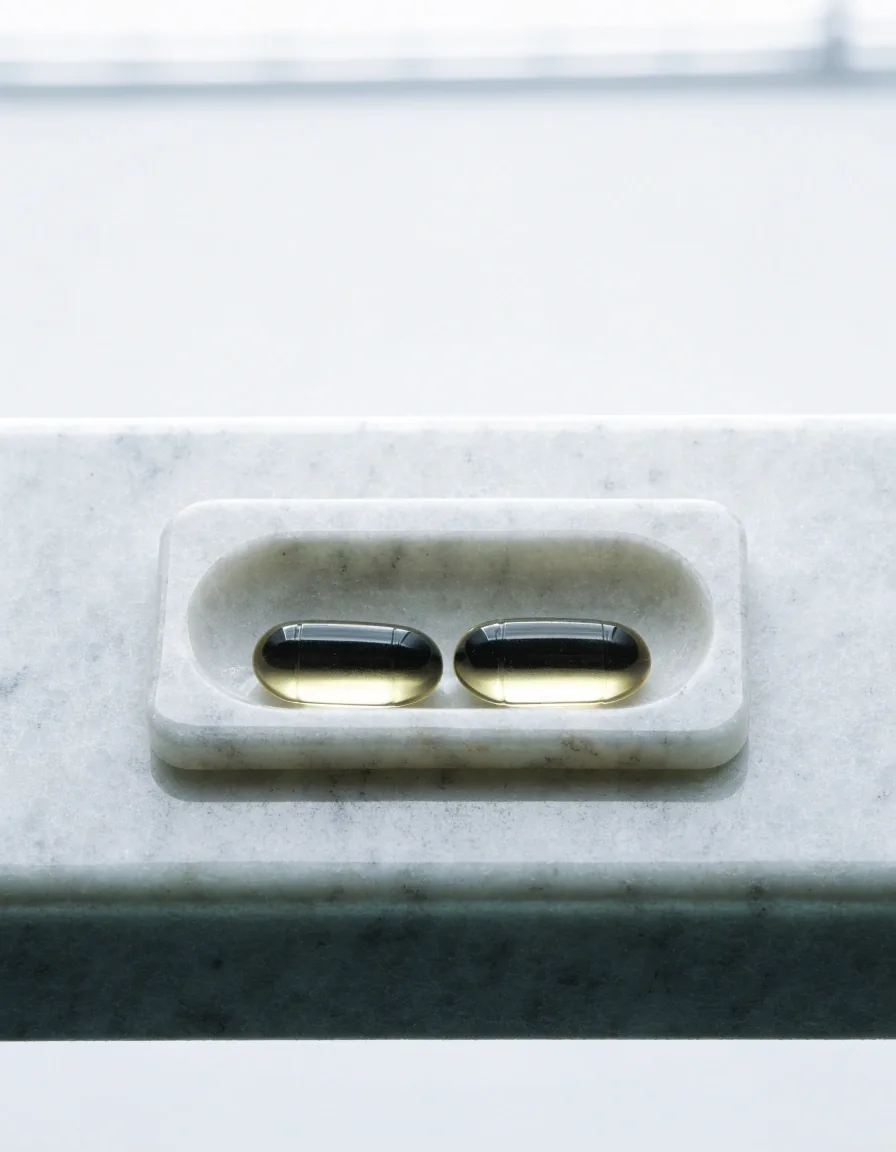
Built for men training regularly: nutrients tied to muscle and energy metabolism, assuming a higher activity level week to week.

Daily coverage with energy-oriented framing, usually by emphasizing the B vitamins shown on the label in connection with energy metabolism.

Broader mineral coverage and a lighter iron line, served in instructions simple enough to keep as a routine over years.

Under 50
A standard men's multi still covers a varied diet. If you train and eat well, the panel you already own is probably enough — check the mineral rows before assuming you have outgrown it.

Over 50
When a men's multi becomes a 50+ formula, three things usually move. Mineral coverage broadens, iron often drops, and the serving instructions tend to stay simple because the audience values a routine that is easy to keep.
Sports-oriented formulas
Products positioned for sport, such as GNC Mega Men Sport, sit in the men's multivitamin category but carry a different emphasis than a general daily product. They lean toward nutrients associated with muscle and energy metabolism, and they assume a higher activity level in the person taking them.
Here is the honest part: a sports multivitamin does not replace food, hydration, or sleep, and it does not create training results. If you train regularly and eat well, it is a reasonable daily base. If you do not, a standard multi is the simpler choice.
Daily base means
Energy language is everywhere in men's supplements, and it is worth translating before you buy. In practice, formulas that carry it tend to emphasize the B vitamins, which appear on labels in connection with energy metabolism. That is a nutrition story, not a stimulant story.
If you are looking for a jolt before a workout, you are in the wrong aisle. If you want daily nutrient coverage with energy-oriented framing, these products land in that space — and reading the panel is the only way to tell which is which.
Lifestyle before label
Before you pick a formula, describe your actual week. How many meals are home-cooked? How often do you train? Do you travel? How much sleep do you get? A man who eats a varied diet, trains three times a week, and sleeps seven hours is solving a different problem than a man who skips breakfast and works late.
Supplements are nutrition coverage for gaps, not a replacement for the pattern underneath. That framing sounds unglamorous and it keeps your expectations honest, which is exactly what an educational site should do.
Not everything in the men's health aisle is a vitamin. Natures Health Cougar, a 12-tablet product listed by Guardian Indonesia in the men's health category, is a male vitality supplement, and its naming is performance-oriented rather than nutrition-oriented. That is a different product type from a multivitamin or multimineral.



Vitality and stamina supplements are usually built around botanical ingredients and expectation-setting language. They are worth understanding, and they should not be confused with daily nutrient coverage. Our glossary explains the botanicals; we do not tell you they work.
Four steps, in order, and one that most men skip. Pick one product, take it as labeled, and revisit the choice in a few months rather than in a few days.
You are over 50, or your diet has narrowed — look at 50+ options first. The panel will show broader mineral coverage and a lighter iron line.
Training hard and eating well makes a sports-oriented multi a reasonable base. Training occasionally makes a standard daily men's multivitamin the simpler pickup.
Only add an energy-focused formula if you understand it as nutrient coverage built around B vitamins, not a stimulant you take before the gym.
Put two candidate panels side by side and read the mineral and iron rows first. That comparison answers most of the question faster than reading either label's marketing copy.
Short answers to what men ask before picking a formula. If your question is not here, ask the editors directly — the contact page carries the address, hours and phone.
No. A 50+ multi usually broadens mineral coverage and lightens the iron line, which fits a diet that has narrowed. If you are 50, active and eating a wide variety of food, a standard men's multi may still cover the same gaps.
It does not create training results and it does not replace food, hydration or sleep. What it does is provide daily nutrient coverage with an emphasis on nutrients associated with muscle and energy metabolism, for someone already training regularly.
The energy framing on most men's multis comes from the B vitamins listed on the panel in connection with energy metabolism. That is a nutrition story rather than a stimulant story; it is not designed to feel like a pre-workout.
They are a different product type. Vitality products such as Natures Health Cougar sit in the men's health category but are usually built around botanical ingredients and performance-oriented naming, not daily vitamin and mineral coverage.
Months, not days. Take the product as labeled, keep the rest of your routine steady, and revisit the comparison when your diet, training load or travel pattern changes. A panel review at that point is more useful than a daily check-in.
Age
The first filter on the shelf, and the one most clearly printed on the front of the bottle.
Routine
Meals, training and sleep decide how much a formula is actually covering versus assuming.
Panel
The mineral and iron rows settle most comparisons faster than any marketing copy will.
Compare the formats side by side first, then bring your question to the editors. AltaCaliber answers supplement and format questions Monday to Friday, 9:00 AM to 6:00 PM.
AltaCaliber is an educational resource. These men's multivitamin and multimineral products are supplements, not medicines — they are not intended to diagnose, treat, cure or prevent any disease. Consult a qualified health professional before adding a supplement to your routine.